The framework
Nine types, one map.
The Enneagram describes nine patterns of human motivation. Each one is built around a core fear and a core way of seeking safety in the world. Read each as a starting point, and notice which one sounds like your inner monologue.
02The symbol
The shape behind every type.
Nine types sit in a ring. The triangle joins 3, 6, and 9. The other six are joined by their own lines. Each line shows where a type goes under stress and where it grows. Pick a number to read that type.
03The nine cards
Read the one you suspect is yours.
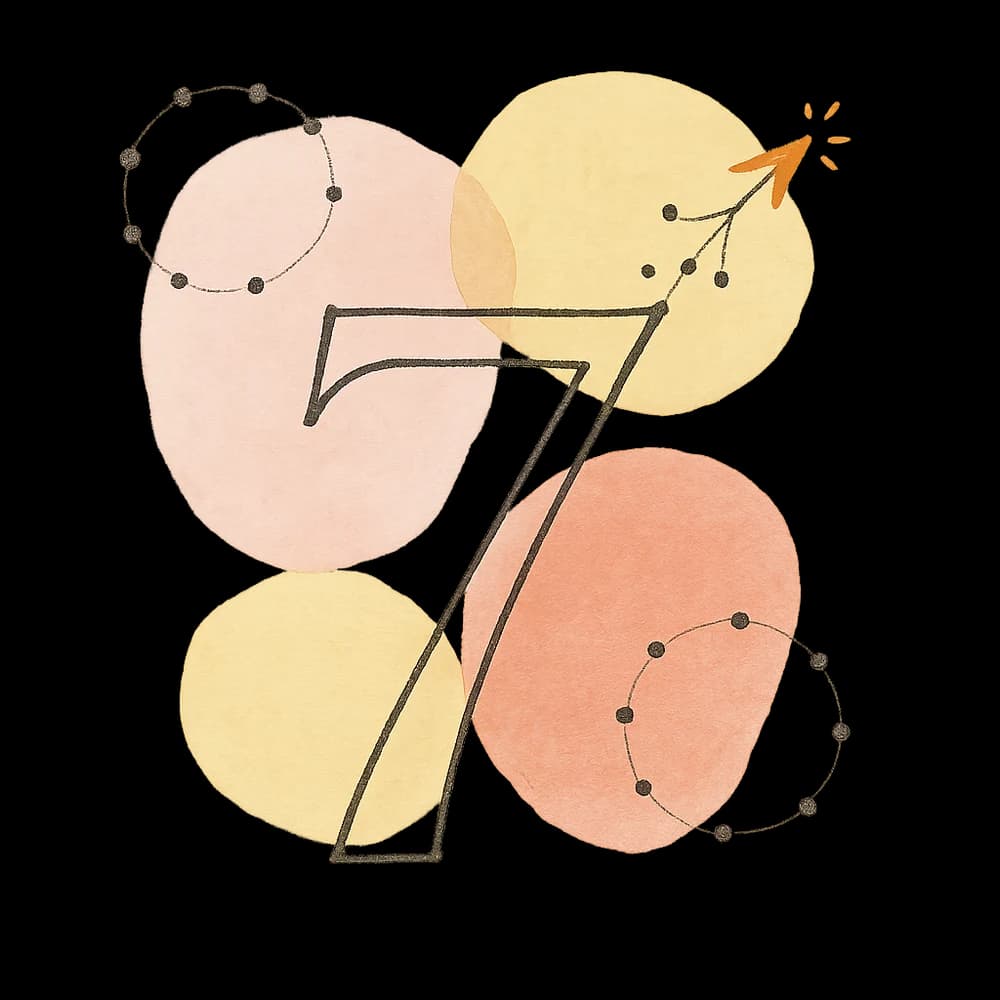
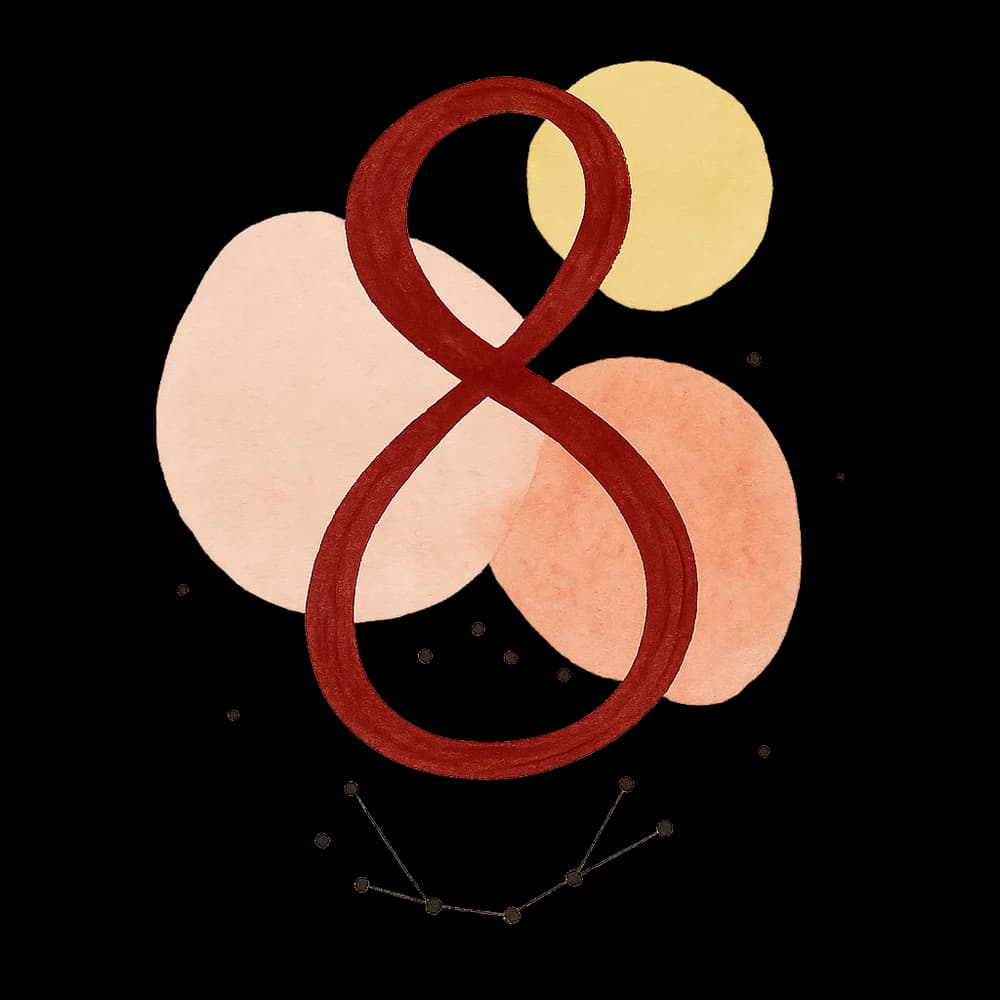

04Pairings
How two types meet.
Each square is one pairing. The row is one type and the column is the other. The page names where those two motivations click, where they misread each other, and one practice that helps.
Scroll sideways to see every type.
05The three centers
Every type sits in one of three centers of intelligence.
Instinct
Types 8, 9, and 1 meet the world through the body. Their central emotional current is anger: expressed, suppressed, or turned inward.
Feeling
Types 2, 3, and 4 meet the world through relationship and image. Their central emotional current is shame, which they move toward others, into achievement, or inward.

Thinking
Types 5, 6, and 7 meet the world through the mind. Their central emotional current is fear, turned into retreat, vigilance, or flight toward possibility.
06Find yours
Let the assessment tell you.
It takes about 15 minutes. You get your core type, wing, tritype, and instinct stack, with a confidence band in plain words.